Since I was a child, the Endertal, the valley of the Endert Creek, has felt magical and full of adventure. Sometimes the valley is wide and gentle, other times it narrows into rocky gorges where the creek rushes between steep cliffs and leafy woods. My cousins and I used to pretend we were Asterix and Obelix dodging Roman patrols, or Robin Hood and his band hiding in Sherwood Forest. The Endertal felt like a place where legends and history met, inspiring us to explore its hidden spots and old stories.
The Endert is wild, not really a river but more than a brook, cutting through the slate hills as it heads toward Cochem. Sometimes the land opens up into wide forests and meadows, while other times the path twists through narrow gorges and over mossy stones. Around every corner, there is something new to see. For me, it is still one of the Eifel’s most varied and beautiful places to hike.
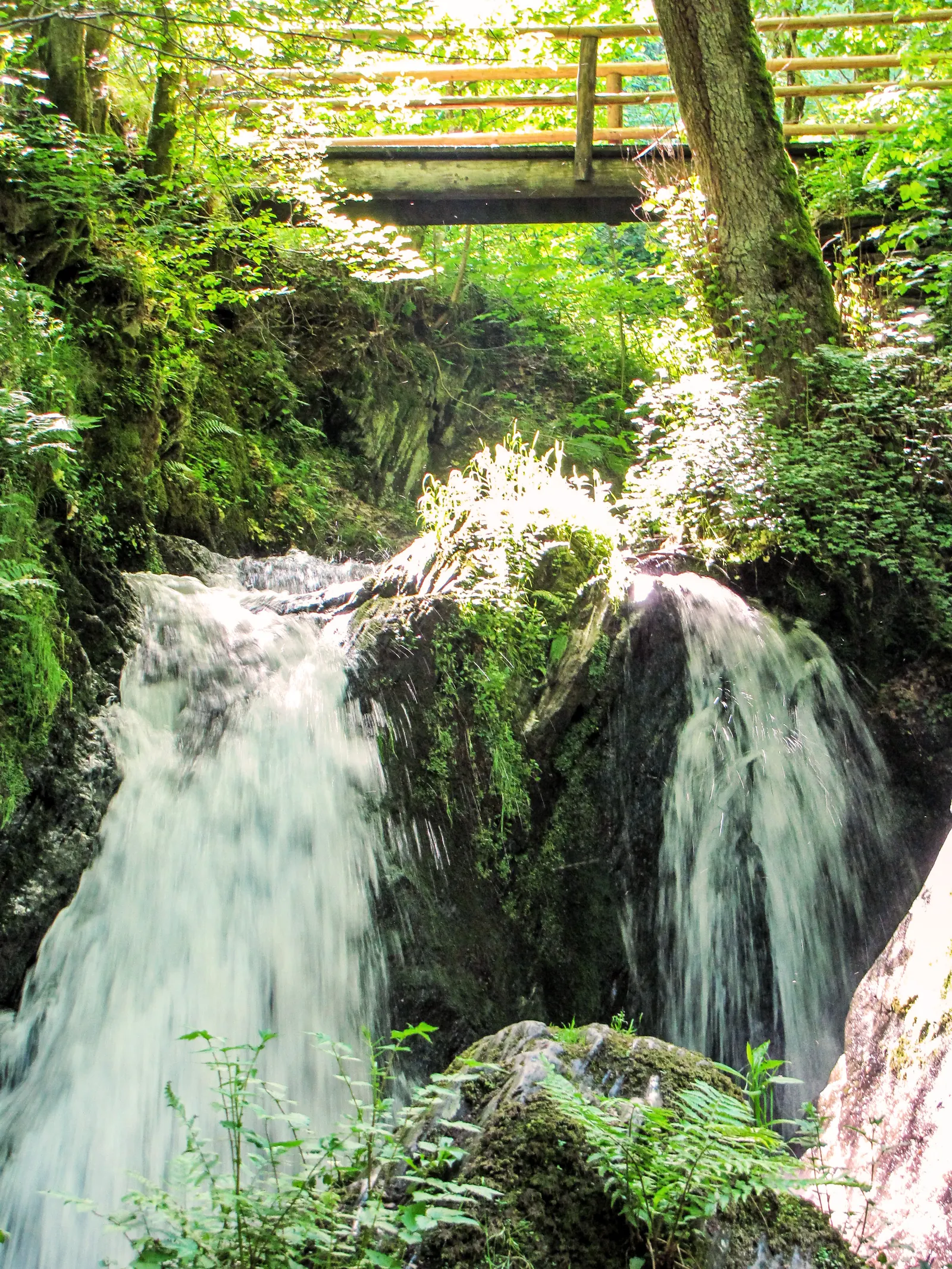
A true highlight of the lower Endertal is the Rausch waterfall, located just beneath the pilgrimage church of Maria Martental. The sound of the water signals the start of a wilder part of the valley, where the cliffs close in and the path feels more adventurous. Here, narrow trails, wooden walkways, and bridges pass by old mills, some still partly lived in. It’s perfect for hikers who want peace and a real sense of place. Göbelsmühle (old watermill) is the only place on the way to Cochem where you can get something to eat or drink. The trail is often damp and can be slippery all year, so good shoes and proper hiking gear are important. If you want a break from your phone, this is the spot—there’s almost no mobile signal on the two to three hour walk to Cochem, so you can really enjoy the sights and sounds of nature.
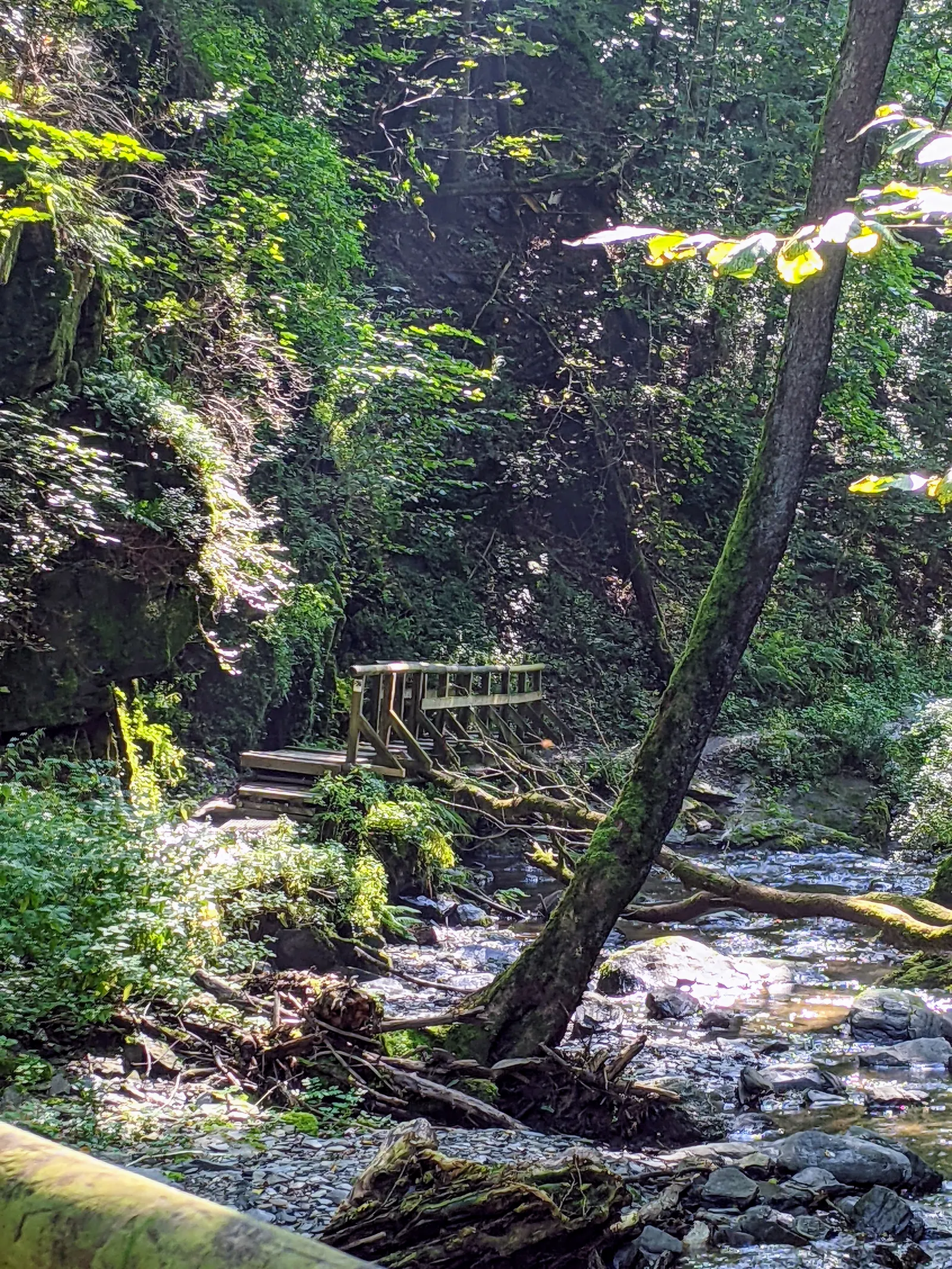
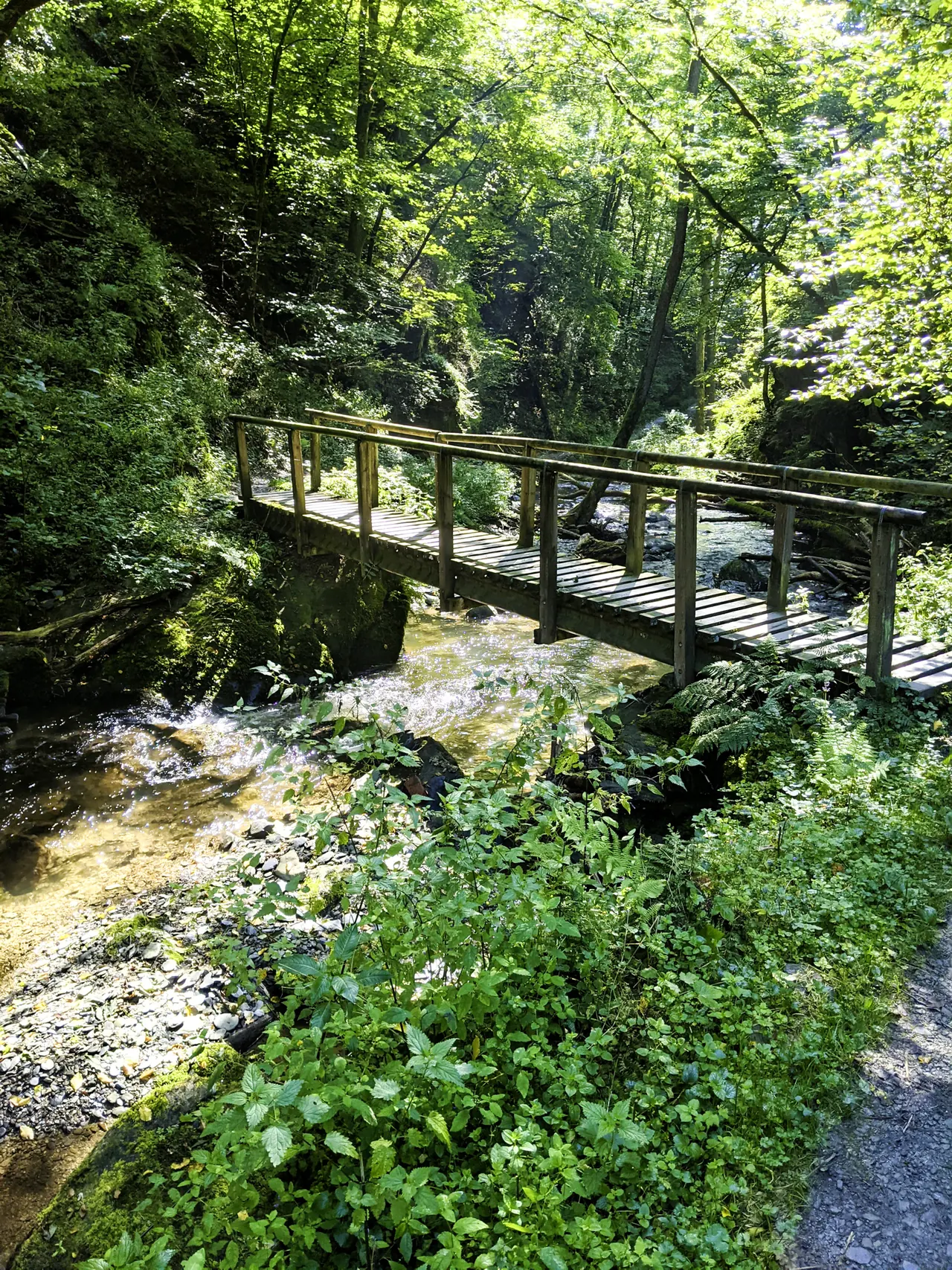
The official trailhead starts in Ulmen, where the valley opens into wide meadows and forest paths. This area is great for warming up before heading further downstream. Mountain biking is allowed in this upper section, adding some fun for those who like to mix sports. There is a clear change between the upper and lower Endertal. As you get closer to the hiking car park at the L100 road—what locals call the “Napoleon’s Bridge” (Napoleonsbrücke)—the valley narrows into rocky gorges, and the trail gets tougher. From this point, mountain biking is not allowed, but this is where the most stunning hiking begins.
Reach Maria Martental easily by public transport. From Bonn or Koblenz, take a train via Andernach and Mayen. From Trier, Luxembourg, France, or Saarbrücken, use the Moselle railway to Cochem, then take a year-round bus to Kaisersesch. In summer, a direct bus goes from Kaisersesch to the abbey (Koster Maria Martental). From there, it’s a 20-30 minute downhill walk to the church or Rausch waterfall. Before you start your hike, check the official German or English hiking websites for updates. In spring or autumn, some bridges or wooden walkways might be under repair.
In 2019, when a third hiking trail near my hometown of Kaisersesch was named Germany’s most beautiful hiking trail, I felt genuinely touched. It’s wonderful to see so many people appreciate the Endertal area and see it as a paradise for nature and hiking lovers.
For me, every hike through the Endertal is more than just a walk. It brings back memories of childhood adventures, gives me a sense of freedom, and reminds me of nature’s power. Even after many trips along its wild, rocky paths, the Endertal still fills me with awe and a strong feeling of connection.
Information
- Endertbach (Wikipedia, DE)
- Kloster Maria Martental (Wikipedia, DE)
- Kaisersesch (Wikipedia)
- Cochem (Wikipedia)
- Wilde Endert trail — eifel.info